Screen Compatibility Guide for Casper Cloaking Film: What Displays Work and What Displays Don't
Screen Compatibility Guide for Casper Cloaking Film: What Displays Work and What Displays Don't
Office leaders across Jeffersonville and the broader Louisville metro ask a practical question first. Will Casper cloaking film actually black out the specific screens in the conference rooms and glass offices on site. The answer is yes on many common LED and LCD displays used in boardrooms and huddle rooms, and no on certain screen types that fall outside the technology’s filtering window. Getting this right matters more in Jeffersonville than in many markets because Class A projects at River Ridge Commerce Center and Gateway Office Park rely on glass-walled environments where confidential content is always on display.
This article frames screen compatibility for property managers, architects, IT security officers, healthcare administrators, and law firm partners who are weighing cloaking window film Jeffersonville IN. It covers what works, what does not, why the physics drive those outcomes, and how a site verification session at 2209 Dutch Ln or on the tenant floor settles edge cases before any film is installed. The framing is installation-focused and compliance-aware, so a decision-maker can specify with confidence for River Ridge, Downtown Jeffersonville, New Albany, Clarksville, and cross-river Louisville addresses from 47130 to 40202.
Why screen compatibility is the pivotal question in Jeffersonville offices
Jeffersonville’s commercial engine runs on data-rich screens. Executive decks, logistics dashboards, EHR interfaces, trial exhibits, and quarterly numbers sit on large-format displays inside glass rooms. At River Ridge Commerce Center, which reached 20 million square feet of developed space in January 2026 with more than 80 companies and 12,600 onsite employees, visitors, vendor staff, and cross-tenant traffic intersect every day. That foot traffic increases the visual hacking surface area across corridors and lobbies where a passerby can glance through clear glass and read what sits on a screen.
Casper cloaking film exists for that specific moment. It blocks the light emitted by most LED and LCD monitors so the screen appears as a black rectangle from the corridor side, while leaving everything else in the room optically clear. People, finishes, whiteboards, and daylight pass through. The room stays visually open. The screen does not. That single outcome allows a Gateway Office Park boardroom at 300 Corporate Drive to keep its glass walls and preserve daylight, while preventing client financials from being readable from the elevator lobby outside.
Because Jeffersonville sits inside the Louisville commuter orbit, many firms split operations across River Ridge, Downtown Louisville, and Prospect, and they standardize AV hardware across campuses. That standardization is good for cloaking film projects. Once Sun Tint validates a display family on one floor, the same test result often applies across both sides of the river, from 47130 to 40202 and 40059. The only caveat is size and generation, since panel updates can change the backlight or polarization path.
How Casper cloaking technology works from an optical standpoint
Casper cloaking film is an interior applied architectural film from Designtex with an embedded optical layer that selectively filters the light that LED and LCD displays emit. That layer interacts with the polarization state and wavelength band typical to LED backlights shining through LCD shutters. The film allows the rest of the visible spectrum to transmit at a clear, approximately mid-range visible light transmission, so the glass looks open and neutral from normal viewing angles. The effect is not frosting or tint. It is a targeted filtration of display emissions.
In practice, the film is installed to the corridor side of the interior glass panel that separates the room from the public or semi-public path of travel. The micro-structured layer and coating stack sit on a PET substrate with a scratch-resistant hardcoat and a pressure-sensitive adhesive. Installation uses squeegee-grade mounting fluid, similar to a standard premium architectural film process, then cures to a durable bond. The product’s optical behavior is orientation dependent, so trained installers verify roll orientation and image reversal to match the room’s viewing direction before a full install.
The filtration window works well on most LED-lit LCD panels. It does not create the same blackout on emissive display types whose output and polarization differ, like OLED. That single physics fact explains most incompatibility cases. It also explains why Sun Tint treats compatibility as a testable property of a given display, not a blanket assumption.
What displays work and what displays do not in the Jeffersonville market
Across Southern Indiana offices and Louisville metro suites, Sun Tint sees common display categories repeat. Each category has a predictable outcome with Casper. The nuance is panel generation and backlight construction. A compatibility check on the exact display model resolves the last 10 percent of uncertainty quickly.
Displays that typically cloak successfully
Large-format LED-backlit LCD conference room displays in the 40 to 98 inch range generally cloak reliably when the glass separation and viewing geometry match standard corridors and lobbies. The 40 inch threshold matters in practice. Smaller screens can still black out, but wide-angle visibility across corridors is less consistent under 40 inches. Jeffersonville conference rooms at River Ridge, Gateway Office Park, and North Shore Office Park almost always use displays above this threshold. Digital signage panels positioned behind glass near reception typically cloak well if they are LED-lit LCD and not an OLED signage panel.
Standard desktop LED-lit LCD monitors from 21 to 32 inches can cloak, but the rate of success varies by model, matte coatings, and off-axis polarization behavior. In open-plan areas where these monitors face a corridor or public space through glass, Sun Tint performs a quick in-situ test with a sample swatch to confirm. In many Downtown Jeffersonville professional suites near Water Tower Square, these smaller displays sit away from corridor glass and are not a cloaking priority.
Interactive LED-lit LCD collaboration boards also often cloak if they use LCD rather than emissive technology. The key is confirming the backlight and panel type. Some education and government spaces in Clark County use these in multi-purpose rooms. A two-minute sample hold test settles the question before specification.
Displays that do not cloak or cloak inconsistently
OLED displays do not cloak reliably because their emissive panel structure bypasses the polarization and wavelength profile that Casper targets. Many premium executive suites in Louisville’s 40202 legal and financial district use OLED for color fidelity. For those, Sun Tint specifies alternate privacy strategies like patterned gradients or frosting to block the primary viewing cone to the screen surface while preserving daylight above eye level.
Curved displays and ultra-wide panels can create inconsistent results due to complex off-axis behavior. Some cloak acceptably when the corridor viewing angle is near perpendicular. Others leak partial content at extreme off-axis points. The glass geometry around the room also affects this outcome.
Projectors and LED video walls behave differently. Traditional projectors that cast on a whiteboard or glass are not compatible, since the reflected light is not filtered the same way. Direct-view LED walls are emissive. They do not cloak. For River Ridge tenants building all-hands rooms with LED walls, Sun Tint shifts the design conversation to entrance placement, sightline management, or selective frosted film zones to block the sightline cone without darkening the entire wall.
The 40 inch minimum and why it appears in serious specifications
Specifications often call out a 40 inch minimum LED display for two reasons. First, most LED-lit LCD panels above that size use a polarization stack and backlight construction that sits squarely inside Casper’s filtering window. Second, from a corridor-only view, a smaller 24 or 27 inch monitor set deeper in the room may sit outside a tight viewing cone, so screen content would be illegible to passersby even without film. In other words, the risk profile above 40 inches is higher in hallways and lobbies. That is exactly where cloaking film delivers the most value in Jeffersonville office layouts, including the glass-front rooms at Quartermaster Station and the NOCO-facing creative offices near the Big Four Bridge terminus.
Site verification protocol Sun Tint follows before any cloaking install
Casper compatibility is confirmable in minutes and Sun Tint never skips it. Technicians bring a labeled sample of Designtex Casper to the office floor, walk the corridor viewing path, and hold the swatch against the corridor-side of the glass while the in-room display runs a standard content pattern. Blackout is either complete or it is not. When an edge case occurs, the technician shifts the swatch angle and the corridor vantage point to identify any off-axis leak. That process repeats for each display type in scope. In Jeffersonville, this usually happens during a free walkthrough at addresses across 47130 and adjacent zips like 47129 and 47150, often during tenant improvement punch walks.
The same protocol applies in medical settings along the Veterans Parkway corridor and Downtown Louisville medical district. For HIPAA environments that show protected health information on monitors in glass-walled consult rooms, the sample test is performed with live or mock EHR screens, from the actual corridor vantage point where incidental PHI exposure could occur. That direct vantage confirmation aligns the installation with HIPAA Security Rule reasonable safeguards.
Why the glass and room geometry matter as much as the display
Glass geometry and the corridor approach angle are a big part of the outcome. Cloaking film renders the screen black when seen through the treated glass from outside the room. If a corridor wraps or a room has two glass walls, the installer must identify all public-side panes that present a viable sightline to the screen and include them in the installation scope. Failing to treat a side lite at a 45-degree hallway jog could leave a narrow angle where a sliver of content remains visible. Jeffersonville buildings with angled lobby corridors, such as Water Tower Square and some River Ridge mixed-use lobbies, benefit from a quick sightline map drawn on the floor plan before film goes up.
Interior reflections play a role as well. A bright window opposite the glass can mirror faint shapes on the corridor side. That reflection does not reveal screen content through Casper, but it can add contrast that makes the black screen area more noticeable. For executive suites in Downtown Louisville high-rises and along the Ohio River waterfront, Sun Tint often pairs Casper on interior glass with a light spectrally selective solar control film on the exterior curtain wall to manage overall reflection and glare. Films like 3M Prestige Series or 3M Ceramic IR calibrate daylight and reduce reflected contrast while preserving views to the Ohio River and the Big Four Bridge.
Compliance frameworks that intersect with cloaking film
Several privacy and security frameworks consider visual access to displayed information a risk that needs a control. Casper cloaking film acts as a physical control that applies to the display exposure vector without closing the room visually or blocking daylight.
For healthcare along the 10th Street medical corridor and Greater Clark County, the HIPAA Security Rule at 45 CFR 164.308 calls for reasonable safeguards that limit incidental PHI exposure, including visual access to screens from public areas. Rooms with glass walls make that exposure likely. Cloaking film blocks screen visibility from corridors while keeping the room visible to staff and patients. That approach preserves patient experience design that favors openness over blinds or full frosting.
For SOC 2 and PCI DSS environments in River Ridge finance, logistics, and technology tenants, visual access controls are part of the broader access control category. Conference rooms that host vendor meetings or partner visits often sit along public lobby paths. Cloaking film prevents dashboard and credential views from those paths. It does not replace logical access controls. It functions alongside them as a facility safeguard.
For law firms and professional services in the Jeffersonville Old Jeffersonville historic district and Downtown Louisville legal corridor, client confidentiality includes protection against incidental display exposure. Cloaking film lets partners run sensitive case reviews in cloaking window film Jeffersonville, Casper cloaking technology IN, River Ridge office privacy film, screen blackout window film glass conference rooms that face reception without risking content exposure to arriving clients.
What Casper looks like on the glass and inside the room
Decision-makers often ask what the film will do to the look of the glass and the feel of the room. Casper is not a frost. It is not a heavy tint. The film reads as clear at a mid-level visible light transmission that preserves daylight and sightlines across the floor. From inside the room, the screen looks normal. From the corridor, that same screen reads black. The rest of the room remains visible. Team members can still see whether a room is occupied. The company can still present a transparent, open culture on the office tour at River Ridge or Downtown Jeffersonville. The only visual cue is that black rectangle on the glass when a screen is on behind it. When the screen is off, the rectangle disappears.
Integrating branding and privacy zones with cloaking
Casper can live alongside decorative privacy film to shape sightlines further. In many Jeffersonville installations, Sun Tint places Casper across the main sightline band and adds a 3M Fasara gradient above desk height for a soft privacy lift that blocks view of papers on tables while keeping upper glass open. Law firm boardrooms near the NoCo Arts and Cultural District often add subtle branded vinyl elements to the lower third of the glass using Avery Dennison or Oracal decorative vinyl. The result is a glass wall that reads clean and intentional, with screen blackouts in place only where needed.
Casper versus frosted film in open-office settings
Traditional frosted film obscures everything. It blocks views into the room and shuts down the open-office effect. For creative agencies, logistics hubs, and medical offices that value visible staff movement and daylighting, frosted glass can work against the space plan. Cloaking film targets a single risk. It lets a St. Matthews or Prospect client see a lively team and a sunlit room, but it hides the sensitive screen content. Many Jeffersonville property managers end up specifying both. Casper on internal conference rooms, and decorative frosts or 3M Fasara patterns on glass lined corridors where distraction privacy is also needed.
Engineering constraints that affect performance
Several engineering variables matter in specification. Glass thickness and composition matter because laminated interlayers or low-iron substrates can alter polarization or internal reflections. Cloaking film is typically applied to tempered or laminated interior partition glass. It is installed on the corridor side pane for multi-pane walls. Sun Tint confirms glass type during the walkthrough and may ask for a detail from the tenant improvement drawings for River Ridge buildings where interior systems vary by floor.
Lighting balance matters. A very bright corridor with dim conference lighting can exaggerate contrasts and make the blacked-out rectangle more pronounced. That contrast is not a failure. It is the expected signature. If a more neutral appearance is desired, Sun Tint recommends a consistent luminance plan for lobbies and rooms, or a light spectrally selective film on the exterior glazing to reduce hot spots. Products like 3M Prestige 70 maintain high visible light transmission while reducing Total Solar Energy Rejected and glare.
Cost benchmarks for Casper in Jeffersonville and the Louisville metro in 2026
Local pricing has stabilized into predictable ranges. In 2026, installed Casper cloaking film in the Jeffersonville and Louisville metro market typically falls between 25 and 45 dollars per square foot depending on glass condition, room geometry, and scope. A single conference room project often totals between 3,000 and 8,000 dollars. A multi-room suite at a River Ridge tenant improvement can run from 8,000 to 25,000 dollars or more based on the number of glass panels and doors, access constraints, and branding elements.
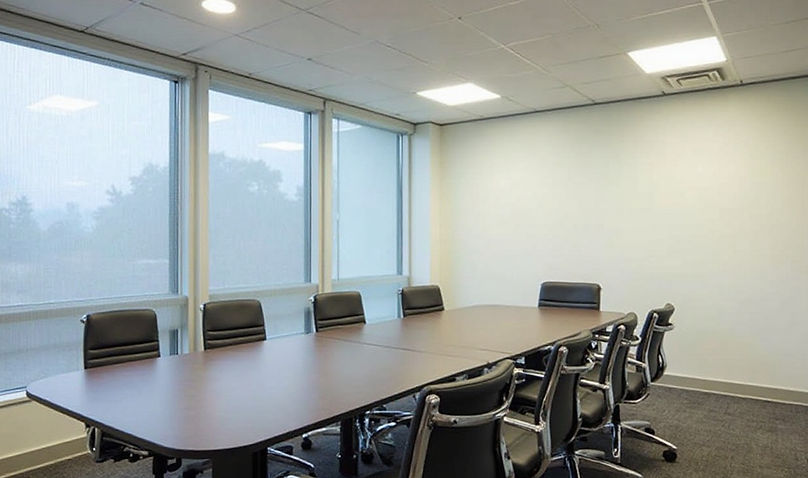
Those numbers align with the experience that many local facility teams have seen posted in River Ridge Commerce Center newsletters and Southern Indiana business journals. The reason this range holds is the repeatability of the installation workflow. Casper installs like a premium architectural film with similar labor intensity per square foot. The added time comes from pre-install verification and precise orientation checks, not from unusual site conditions.
Warranty, durability, and cleaning practice
Casper cloaking film carries a commercial warranty through authorized channels that covers product defects and visual performance when installed by an Authorized Casper Installer. In Jeffersonville, most corporate clients include the manufacturer-backed term and an installation workmanship warranty in their vendor file. Cleaning is straightforward. Use standard non-abrasive glass cleaners and soft cloths. Avoid blades and harsh solvents. A scratch-resistant hardcoat protects the surface under normal office use. Sun Tint documents cleaning guidance for facility teams during closeout so janitorial vendors at locations like Jeffersonville Town Center or AP Business Park follow the correct procedure.
Where cloaking film fits inside Jeffersonville’s commercial property archetypes
At River Ridge Commerce Center, the flagship glass conference rooms and boardrooms in Class A office buildings sit on main circulation paths. Cloaking film is specified at eye-level panes adjacent to these paths. At Gateway Office Park, interior collaboration rooms along elevator lobbies benefit from cloaking to block presentation content from visitors waiting on cabs. At Quartermaster Station and Water Tower Square, historic shell with modern glass partitions creates mixed lighting that still favors cloaking for client-facing rooms. Along Veterans Parkway and Jeffersonville Town Center retail-facing offices, receptionist sightlines to back-of-house screens sometimes call for a narrow Casper band across the reception wall glass to block POS or scheduling monitors from customer view.
Healthcare clinics in zip 47130 near 10th Street and Hamburg use Casper selectively at consult rooms where screens face corridors. They pair it with patterned privacy film on procedure areas where distraction control matters more than screen management. Law firms across Downtown Jeffersonville and Downtown Louisville deploy cloaking in rooms that front reception, where trial visuals and case strategy documents appear in deck form on large LCD panels. Finance and logistics tenants at River Ridge employ cloaking on war rooms that face main corridors so visitor and vendor traffic cannot read supply chain dashboards.
Pairing Casper with solar control and security films where appropriate
Casper addresses screen exposure only. If heat gain, glare, or safety glazing concerns exist, the specification often layers additional films on separate panes or surfaces. For example, a River Ridge Class A tenant may apply 3M Prestige or 3M Ceramic IR to the building’s exterior curtain wall to reduce Solar Heat Gain Coefficient and glare while keeping high visible light transmission. Inside, Casper treats the corridor-side pane of the interior partition that fronts the room with the screen. If forced-entry resistance is a concern on the ground level, a 3M Safety and Security Ultra Series film with proper edge attachment is added to the exterior storefront. These scopes live together but on different glass systems to avoid optical interference and to meet ASTM and GSA performance criteria authoritatively.
Limitations and edge cases every local specifier should note
Casper is not a cure-all. If a display sits at a sharp angle to the glass and the corridor viewing cone is oblique, partial content may remain visible at narrow angles. A test will show this. If a room has glass clerestories above a door that frames a secondary sightline to the screen, those clerestories need coverage as well. If a suite has side corridors or glass returns that align with the screen, they belong in scope. OLEDs will not cloak. Direct-view LED walls will not cloak. Curved ultra-wide monitors may cloak incompletely. In those cases, Sun Tint shifts to a layered privacy approach that manages sightlines instead of counting on cloaking physics to solve it alone.
Locally specific, technically grounded detail that matters to Jeffersonville projects
One detail drives many capital planning decisions at River Ridge and Gateway. The minimum 40 inch LED display threshold for reliable cloaking aligns with how most conference rooms across Jeffersonville are already set up. That means a cloaking specification can cover the rooms that carry the most risk without diverting budget to small desktop monitors that rarely sit in a cloaking tech in Casper direct corridor sightline. In practice, this lets a facilities director secure every high-risk screen in a 20,000 square foot floor at River Ridge for a project cost that fits within a single-year tenant improvement allowance, especially when compared to the cost of replacing glass partitions or moving walls.
Another shareable local fact is the scale of demand. River Ridge Commerce Center’s 6,000 acres and 20 million square feet developed as of 2026, with a 3.04 billion dollar annual economic impact, have created a steady stream of glass-walled conference rooms. That glass-forward trend, while a hallmark of Class A space, creates an unusual concentration of visual hacking risk across a small geography. Casper adoption has followed that arc, especially for tenants moving into Gateway Office Park’s Class AA+ buildings where open lobbies meet perimeter glass rooms.
What a Jeffersonville walkthrough looks like and how long it takes
A standard commercial walkthrough in Jeffersonville or Clarksville runs 30 to 60 minutes for a typical suite. A Sun Tint project manager meets the facility lead at the reception desk, walks every glass room with a screen, and runs the sample swatch test. The manager marks the floor plan with panes that require Casper, notes glass type if known, and records display model numbers where visible. If branding or distraction privacy is in play, options from 3M Fasara or custom vinyl are presented at the end of the walk with location-specific notes. For sites like 300 Corporate Drive or 400 River Ridge Parkway with security protocols, the team coordinates in advance to meet access requirements. A formal scope and pricing letter follows within one to two business days.
Frequently asked local questions about Casper cloaking film
Will the glass look tinted from the hallway
No. Casper reads as clear glass at a mid-range visible light transmission. Hallway viewers see into the room, see occupants, and see daylight. They only see a black rectangle where the display sits when it is on. Many Jeffersonville tenants actually prefer the black rectangle because it signals that the room is actively in use without revealing content.
Will staff inside the room see the screen normally
Yes. Casper does not alter the view from inside the room to the display. The normal presentation experience remains. That is a core value of the technology for boardrooms and training spaces at River Ridge and Downtown Louisville.
Can Casper be combined with a logo or gradient film
Yes. It is common to treat the main sightline band with Casper and then overlay branding or a gradient at strategic heights. This combined look keeps the office bright while reinforcing the company brand along the Veterans Parkway corridor, Downtown Jeffersonville, or Louisville Waterfront-adjacent suites.
Does Casper help with HIPAA
It supports the reasonable safeguards requirement for displayed PHI by preventing visual access to EHR screens through glass partitions. It does not replace administrative or technical safeguards. It fills the gap created by glass-walled consult rooms and open reception areas, which is common in medical offices across zip 47130 and Downtown Louisville’s medical district.
What about automotive or residential cloaking
Casper is an architectural interior glass film for commercial and institutional settings. Automotive and residential applications are separate product categories with different performance goals. Sun Tint manages those services as distinct scopes.
Procurement and specification language for Jeffersonville projects
Procurement teams often request concise specification language to align with River Ridge landlord standards and tenant improvement manuals. A pragmatic clause reads like this. Provide and install Designtex Casper cloaking film PF101 or approved equal with equivalent cloaking performance on LED-lit LCD displays 40 inches and larger as verified on site by installer. Install on corridor-side surface of glass partitions that align with conference room or office display sightlines. Coordinate exact panel coverage and orientation with installer after on-site screen compatibility validation. Maintain daylight transmission and clear view to occupants. Do not substitute frosted film for cloaking locations unless approved by owner.
This language keeps the product intent clear while allowing alternate bids that can meet or exceed the required cloaking performance. It also codifies the on-site verification step as part of the installation process, which is critical for OLED edge cases and mixed glass geometries in renovated spaces like Quartermaster Station.
Installation logistics in mixed-tenant buildings across Clark and Floyd counties
In multi-tenant buildings across Jeffersonville, Clarksville, and New Albany, installations are coordinated to avoid peak visitor hours and tenant-sensitive windows. Windows in River Ridge Class A buildings and Downtown Louisville often require security sign-in and elevator scheduling. Sun Tint crews stage film and tools to minimize corridor obstructions and noise. Dry times and cure times are communicated to facilities so glass cleaning and conference room booking can resume on schedule. Most rooms return to service the same day the film goes up.
Why authorized credentials matter for Casper and 3M systems
Casper distribution runs through Designtex and its Decorative Films channel to Authorized Casper Installers. That authorized path matters for warranty, correct material sourcing, and trained orientation on site. The same principle applies to 3M architectural films. A 3M Authorized Dealer and 3M Prestige Certified Installer status signals that commercial solar, decorative, and safety films are installed to the standard that qualifies for manufacturer-backed warranties. For Jeffersonville decision-makers who need one accountable vendor for corridors in 47130 and executive suites in 40202, the credential stack removes risk and compresses project timelines.
Summary for Jeffersonville specifiers evaluating cloaking window film
If a conference room or office uses a 40 inch or larger LED-lit LCD display behind glass that faces a corridor or lobby, Casper cloaking film will likely black out the screen from the corridor while keeping the glass clear. OLED displays and emissive LED walls will not cloak. Curved ultra-wide monitors may cloak inconsistently and require a test on site. Room geometry and side-light panes must be included to close sightline gaps. The Jeffersonville market has a mature cost range of 25 to 45 dollars per square foot installed, with a typical room falling between 3,000 and 8,000 dollars. Verification occurs during a fast on-site visit that also captures glass types and lighting notes, so the final look supports both security and the open aesthetic that River Ridge and Gateway projects were built to celebrate.
Request a site verification and pricing for cloaking window film Jeffersonville IN
Sun Tint serves Jeffersonville, Clark County, Floyd County, and the Louisville metro from 2209 Dutch Ln, Jeffersonville, IN 47130. The team has four decades of window film experience across Class A office, healthcare, financial services, and law firm environments. Credentials include 3M Authorized Dealer status, 3M Prestige Certified Installer, and Authorized Casper Cloaking Film Installer through Designtex and Decorative Films LLC. The company is a Licensed Indiana Contractor with commercial insurance. Hours run 7:00 AM to 8:00 PM, seven days a week, for flexible tenant scheduling.
To verify your screens and receive a written scope with clear pricing, book a free on-site walkthrough. Call +1-812-590-1147 or visit https://www.sun-tint.com/cloaking-window-film-jeffersonville. Service areas include 47130, 47129, 47150, and Louisville zips such as 40202, 40206, and 40223. Projects are routinely completed across River Ridge Commerce Center, Gateway Office Park, Downtown Jeffersonville, Veterans Parkway, New Albany, and Downtown Louisville. One visit confirms what works, what does not, and which panes to treat so your glass stays open and your screens stay private.
Sun Tint
2209 Dutch Ln
Jeffersonville,
IN
47130
Phone: (812) 590-1147
Official Website: sun-tint.com/jeffersonville-in